
 By Kenneth Guy
Introduction
Wellness design is evolving rapidly, combining ancient practices with modern innovations. Today’s homeowners seek spaces that nurture body, mind, and spirit, integrating technology, nature, and mindful living principles.
Trend 1: Smart Wellness Technology
-
Air quality sensors monitor pollutants.
-
Smart lighting adapts to circadian rhythms.
-
Voice-activated assistants control wellness devices seamlessly.
Trend 2: Biophilic and Sustainable Design
-
Green walls, indoor gardens, and natural textures foster connection to nature.
-
Energy-efficient appliances and eco-friendly materials reduce stress on the planet.
Trend 3: Wellness Rooms and Zones
-
Dedicated meditation or yoga spaces.
-
Soundproofing for relaxation or remote work focus.
-
Spa-inspired bathrooms with soaking tubs and aromatherapy.
Trend 4: Mindful Décor
-
Minimalist aesthetics to reduce cognitive overload.
-
Use of calming color palettes like sage, sand, and sky blue.
Trend 5: Integrative Outdoor Wellness Spaces
-
Outdoor saunas, cold plunges, or fire pits.
-
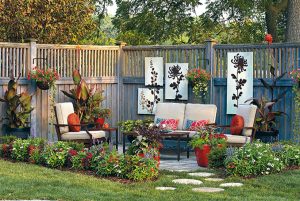
Gardens designed for relaxation and sensory experiences.
Conclusion
Wellness-focused homes reflect a shift toward holistic living. By integrating technology, natural elements, and mindfulness, homeowners can transform spaces into restorative environments that improve quality of life.