
 By Kenneth Guy
Introduction
Accessories may be small in scale, but their impact on interior design is profound. From cushions and throws to artwork and lamps, the right accessories can elevate a room from ordinary to extraordinary.
Principles of Accessorizing
-
Balance and Proportion
-
Avoid overcrowding.
-
Choose pieces that complement, not overpower, furniture.
-
-
Texture Variety
-
Combine soft (velvet cushions) and hard (ceramic vases) surfaces.
-
Layer rugs with different textures for richness.
-
-
Color Coordination
-
Stick to a consistent palette.
-
Use accessories for pops of color without overwhelming.
-
-
Statement vs. Subtlety
-
A single bold art piece can anchor a space.
-
Smaller accessories should support the main theme.
-
Essential Accessories by Room
-
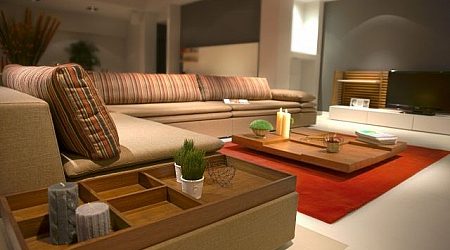
Living Room: Cushions, throws, wall art, decorative trays.
-
Bedroom: Lamps, rugs, mirrors, layered bedding.
-
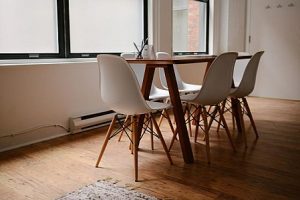
Dining Room: Centerpieces, candles, table linens.
The Psychology of Accessories
Accessories reflect personality and lifestyle. A carefully curated display tells your story—family photos, travel souvenirs, or heirlooms add emotional depth.
Conclusion
Accessories are the finishing touches that define a home. With intention and creativity, they create warmth, identity, and harmony in every room.